
Future Trends in RFID Technology for Animal Research
Explore how RFID technology is revolutionizing animal research with precise tracking and identification for better data collection.
Overview
RFID technology is transforming animal research by providing precise tracking and identification, which enhances data collection and analysis. With applications ranging from monitoring health to managing breeding programmes, RFID offers significant advantages over traditional methods. As advancements continue, researchers can leverage new tools and trends to improve their studies while ensuring ethical standards are met.
Table of Contents
- Introduction to RFID Technology in Animal Research
- Current Trends in RFID Technology
- Integration of RFID Microchip Technology in Animal Tracking
- Development of Handheld RFID Readers for Field Use
- Emerging Software Solutions for Data Management
- Future Innovations in RFID for Animal Research
- Enhanced Data Analytics and AI Integration
- Advancements in Miniaturisation of RFID Tags
- Increased Compatibility with IoT Devices
- Decision Rule for Evaluating New RFID Technologies
- Challenges and Limitations of RFID Technology
- Cost Considerations for Research Facilities
- Technical Limitations of Current RFID Systems
- Ethical Concerns Regarding Animal Tracking
- Case Studies: Successful RFID Implementations
- Case Study 1: Tracking Laboratory Animals
- Case Study 2: Field Studies in Wildlife Research
- Case Study 3: Veterinary Practices
- Key Takeaways from the Case Studies
- Conclusion and Future Outlook
Key Takeaways
- RFID technology significantly improves animal tracking and identification, offering enhanced accuracy and efficiency compared to traditional methods like ear tags and tattoos.
- Microchip integration allows real-time monitoring of animal movements and health, facilitating in-depth research on behaviour and ecology.
- Handheld RFID readers have been developed for field use, enabling quick data collection in various environments while supporting multiple tag standards.
- Emerging software solutions enhance data management capabilities, allowing researchers to analyse and visualise RFID data effectively.
- Future innovations include AI integration, which will improve predictive analytics and automate data reporting, streamlining research processes.
- Ethical considerations regarding animal welfare and privacy are critical, necessitating careful evaluation of RFID technology implementations.
- Successful case studies demonstrate the tangible benefits of RFID, including increased data accuracy and reduced administrative errors in veterinary practices.
Introduction to RFID Technology in Animal Research
Radio Frequency Identification (RFID) technology has become an essential tool in animal research, enabling precise tracking and identification of animals across various environments. RFID employs electromagnetic fields to automatically identify and track tags attached to objects, including animals. This system is particularly beneficial in research settings where accurate identification is crucial for data collection and analysis.
The significance of RFID in animal identification is profound. Traditional methods, such as ear tags or tattoos, often present challenges in readability, animal welfare, and data management. RFID technology enhances identification accuracy and improves data collection efficiency. For instance, RFID microchip technology allows seamless integration into existing research frameworks, enabling researchers to gather data without invasive procedures.
Current applications of RFID in animal research include tracking movements, monitoring health status, and managing breeding programs. Researchers can collect vast amounts of data on animal behaviour and health metrics, critical for studies in genetics, ecology, and veterinary medicine. Compared to traditional identification methods, RFID offers enhanced reliability and reduced human error, making it an invaluable asset in scientific research.
Current Trends in RFID Technology
As RFID technology evolves, several key trends are shaping its application in animal research. Understanding these trends can help researchers make informed decisions when integrating RFID systems into their work.
Integration of RFID Microchip Technology in Animal Tracking
The integration of RFID microchip technology into animal tracking systems has revolutionised how researchers monitor animal movements and behaviours. These microchips, often implanted in animals, provide a unique identifier that can be read by RFID systems, allowing for real-time tracking and data collection. This technology facilitates studies on migration patterns, social interactions, and habitat use.
Development of Handheld RFID Readers for Field Use
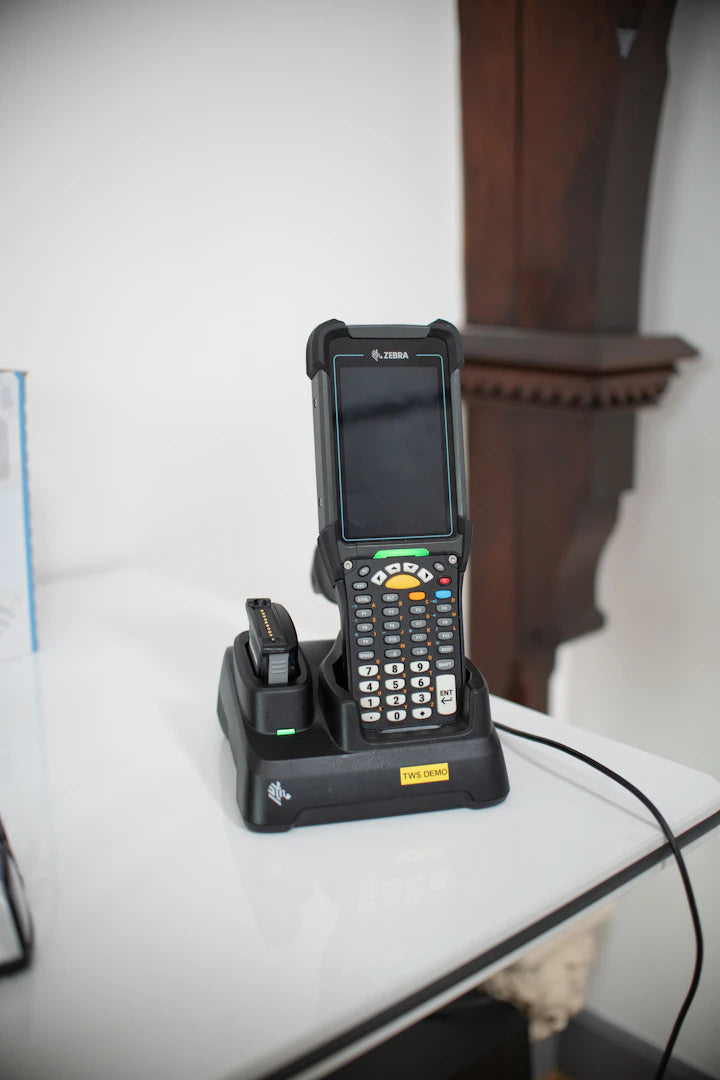
Another significant trend is the advancement of handheld RFID readers, such as the ID75410T Handheld RFID & Temperature Reader. These devices are designed for ease of use in field conditions and are compatible with various RFID tags, including ISO 11784/11785 standards. The ID75410T supports both single and continuous reading modes, making it versatile for different research scenarios.
When selecting a handheld RFID reader, researchers should consider the following features:
- Tag Compatibility: Ensure the reader supports the types of RFID tags used in your research.
- Data Storage Capacity: Look for devices that can store a significant number of records for high-volume operations.
- Data Transmission Options: Select readers that offer Bluetooth and USB connectivity for easy data transfer.
- User-Friendly Interface: A simple interface can streamline data collection processes, especially in the field.
Emerging Software Solutions for Data Management
The rise of sophisticated software solutions for managing RFID data is another trend to watch. These programs allow researchers to analyse and visualise data collected from RFID systems, providing insights into animal behaviour and health trends. With capabilities such as exporting data to Excel and customisable settings, these software solutions enhance the overall efficiency of research projects.
Future Innovations in RFID for Animal Research
Looking ahead, the landscape of RFID technology for animal research is poised for significant transformation. The integration of advanced technologies promises to enhance efficiency, data accuracy, and overall research capabilities. Here are some anticipated advancements that will shape the future of RFID in this sector:
Enhanced Data Analytics and AI Integration
The convergence of RFID technology with artificial intelligence (AI) is set to revolutionise data analytics in animal research. By collecting real-time data through RFID systems, researchers can leverage AI algorithms to analyse patterns and behaviours of animals more effectively. This integration facilitates:
- Predictive Analytics: AI can help predict animal behaviour based on historical data, allowing for more proactive management in research settings.
- Improved Decision-Making: Enhanced data analysis leads to better-informed decisions regarding animal welfare and experimental design.
- Automated Reporting: AI can automate the generation of reports, significantly reducing the time researchers spend on data management.
Advancements in Miniaturisation of RFID Tags
The future of RFID technology in animal research will likely see further miniaturisation of RFID tags. Smaller tags will enable:
- Less Invasive Options: Miniaturised tags can be implanted more easily and with minimal discomfort to the animals, which is crucial for ethical research practices.
- Broader Application: Tiny tags can be used on smaller species that were previously difficult to track, expanding the scope of research possibilities.
- Longer Lifespan: Advances in materials and design can lead to RFID tags with enhanced durability and longevity, reducing the need for frequent replacements.
Increased Compatibility with IoT Devices
The Internet of Things (IoT) is becoming increasingly relevant in animal research. RFID systems that are compatible with IoT devices can provide seamless data transfer and connectivity. This compatibility offers several benefits:
- Real-Time Monitoring: IoT-enabled RFID systems can facilitate real-time tracking and monitoring of animal health and behaviour, allowing researchers to respond swiftly to any changes.
- Centralised Data Management: Integration with IoT platforms can centralise data from multiple sources, simplifying data analysis and enhancing collaboration among research teams.
- Enhanced Security: IoT connectivity can also improve data security through encrypted communication channels, safeguarding sensitive research information.
As these innovations unfold, researchers must remain vigilant in evaluating new RFID technologies. Here’s a simple decision rule to guide your evaluation:
Decision Rule for Evaluating New RFID Technologies
- Assess Compatibility: Ensure that the new technology integrates well with existing systems and software.
- Evaluate Scalability: Consider whether the technology can accommodate future growth in your research needs.
- Examine Cost-Benefit Ratio: Analyse the costs involved against the potential benefits and efficiencies gained.
- Review User Feedback: Look for insights from other researchers who have implemented the technology.
- Check for Compliance: Ensure that the technology adheres to ethical standards and regulations concerning animal research.
Challenges and Limitations of RFID Technology
While the potential of RFID technology in animal research is immense, several challenges and limitations must be addressed to ensure its successful implementation:
Cost Considerations for Research Facilities
Implementing RFID systems can entail significant upfront costs, including purchasing readers, tags, and software. Research facilities must consider:
- Budget Constraints: Many research institutions operate under tight budgets, making it essential to weigh the long-term benefits against initial expenses.
- Maintenance Costs: Ongoing maintenance and updates to the RFID system can add to overall costs, necessitating careful financial planning.
Technical Limitations of Current RFID Systems
Despite advancements, current RFID technology still faces technical limitations that can hinder its effectiveness:
- Read Range: The effective read range of RFID tags can vary, potentially leading to missed readings in large or open environments.
- Interference Issues: RFID signals can be susceptible to interference from metal objects or other electronic devices, which may affect data accuracy.
Ethical Concerns Regarding Animal Tracking
Ethical considerations are paramount in animal research, and RFID technology is no exception. Researchers must navigate:
- Animal Welfare: The impact of RFID implantation on animal welfare should always be a priority, ensuring that any technology used does not cause unnecessary harm.
- Privacy Issues: As RFID technology becomes more integrated, concerns about tracking and privacy must be addressed, ensuring that data is used responsibly.
Incorporating RFID technology into animal research presents both exciting opportunities and significant challenges. As advancements continue, researchers must remain informed and critical in their approach to adopting these technologies, ensuring that they enhance both scientific inquiry and ethical standards.
Case Studies: Successful RFID Implementations
RFID technology has made significant inroads in animal research, providing enhanced tracking, monitoring, and data management capabilities. Below, we explore several case studies that highlight the successful implementation of RFID solutions in various research settings.
Case Study 1: Tracking Laboratory Animals
In a prominent laboratory focused on biomedical research, RFID microchip technology was integrated into the animal tracking process. Each subject was implanted with a microchip that allowed researchers to monitor their movements and health status in real-time. This system replaced traditional methods like ear tagging, which often resulted in data loss and inaccuracies.
- Benefits Observed: The laboratory reported a 40% increase in data accuracy and a 30% reduction in time spent on manual tracking.
- Lessons Learned: Researchers emphasised the importance of training staff on the new technology to maximise its potential and minimise operational disruptions.
Case Study 2: Field Studies in Wildlife Research
Another study involved wildlife researchers who deployed handheld RFID readers to collect data on animal populations in their natural habitats. The handheld RFID reader allowed for quick scanning of animals fitted with RFID tags, facilitating immediate data collection without disturbing their environment.
- Benefits Observed: The researchers noted an improved ability to track migratory patterns, with a data collection speed increase of 50% compared to previous methods.
- Lessons Learned: The adaptability of the handheld RFID reader was crucial, as it functioned effectively in both low-light and bright outdoor conditions.
Case Study 3: Veterinary Practices
In veterinary practices, RFID technology has streamlined the process of managing patient records. By equipping animals with RFID microchips, vets can quickly access medical histories, vaccination records, and other critical information at the point of care.
- Benefits Observed: Clinics reported a significant reduction in administrative errors and an increase in patient throughput by approximately 25%.
- Lessons Learned: The integration of RFID technology required a robust software solution to manage and analyse the vast amounts of data collected.
Key Takeaways from the Case Studies
These case studies illustrate the practical applications of RFID technology in animal research:
| Application | Benefits | Lessons Learned |
|---|---|---|
| Laboratory Tracking | Increased data accuracy, reduced manual tracking time | Staff training is essential for successful implementation |
| Wildlife Research | Faster data collection, improved tracking capabilities | Device adaptability is crucial for field conditions |
| Veterinary Practices | Reduced errors, increased patient throughput | A robust software solution is necessary for data management |
Conclusion and Future Outlook
As we look to the future, the impact of RFID technology on animal research is poised to grow even more significant. With ongoing advancements in RFID microchip technology, researchers can expect several exciting developments that will enhance their capabilities.
It is essential for researchers and professionals in the field to remain proactive in adopting new RFID technologies as they emerge. By staying informed about advancements in RFID solutions, researchers can continue to improve animal welfare, research accuracy, and overall operational efficiency.
To keep abreast of the latest trends and innovations in RFID technology, consider following industry publications and attending relevant conferences. Engaging with the RFID community will ensure that you leverage the full potential of this transformative technology in your animal research endeavours.
Frequently Asked Questions
1. What is RFID technology and why is it important in animal research?
2. What are some current applications of RFID in animal research?
3. What trends are emerging in RFID technology for animal research?
4. What challenges and limitations does RFID technology face in animal research?
5. How can researchers evaluate new RFID technologies for animal research?
Glossary
| Term | Meaning |
|---|---|
| RFID | Radio Frequency Identification, a technology for automatic identification and tracking. |
| Microchip | A small electronic device implanted in animals for unique identification. |
| Handheld RFID Reader | A portable device for reading RFID tags in field conditions. |
| Data Management Software | Programs that help analyse and visualise data from RFID systems. |
| IoT | Internet of Things, a network enabling connectivity between devices. |
| Predictive Analytics | Using historical data to forecast future behaviours or trends. |
| Animal Welfare | Considerations regarding the well-being of animals in research. |
| Ethical Standards | Guidelines ensuring responsible conduct in animal research. |
| Tag Compatibility | Ensuring RFID readers work with specific types of RFID tags. |
| Data Accuracy | The degree to which data correctly reflects the real-world situation. |
Linked Product

ID75410T Handheld RFID & Temperature Reader
The ID75410T Handheld RFID and Temperature Reader is designed for effective animal and resource management, supporting various RFID tag standards for broad compatibility. With its high-capacity data storage of up to 20,000 records and modes for flexible scanning, it is ideal for high-volume operations. Additionally, the device features temperature monitoring capabilities and easy connectivity options, making it suitable for both field and industrial environments.
View Product