
Ensuring Animal Welfare with RFID Tracking Systems
Discover how RFID technology improves animal welfare by tracking health and care in livestock and veterinary practices.
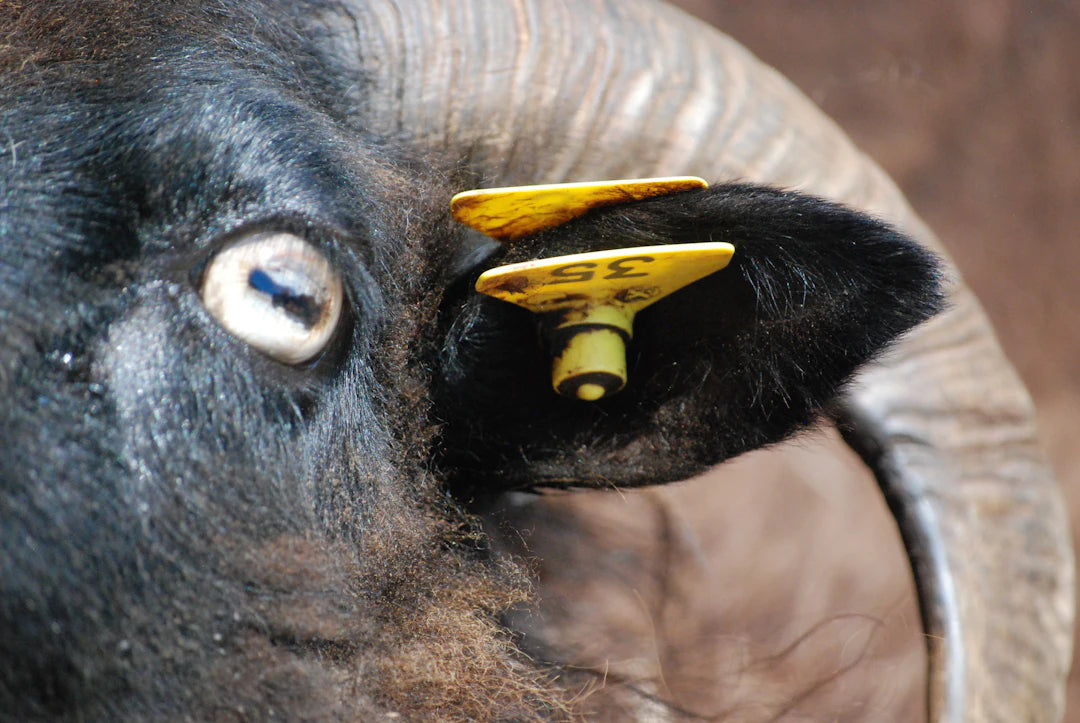
Overview
RFID technology is revolutionising animal welfare by enabling precise tracking and monitoring of animals' health and behaviour. This innovation allows professionals to implement real-time health checks, enhance traceability throughout livestock operations, and reduce stress during identification processes. By adopting RFID systems, animal welfare practices can improve care, ensure compliance with regulations, and ultimately enhance the quality of life for animals.
Table of Contents
- Introduction to RFID in Animal Welfare
- How RFID Tracking Systems Work
- Components of an RFID System
- Data Collection and Transmission
- Types of RFID Tags Used in Animal Identification
- Benefits of RFID for Animal Welfare
- Improved Health Monitoring through Real-Time Data
- Enhanced Traceability and Accountability in Livestock Management
- Reduction in Stress for Animals during Identification Processes
- Checklist of Benefits for Implementing RFID Systems
- Case Studies: RFID in Action
- Examples from Veterinary Practices Using RFID for Health Monitoring
- Use of RFID in Livestock Operations for Tracking and Management
- Impact on Animal Welfare Outcomes in These Case Studies
- Choosing the Right RFID System
- Factors to Consider
- Overview of Different RFID Systems
- Importance of Choosing ISO-Compliant Tags
- Decision Matrix for Evaluating RFID Systems
- Challenges and Considerations
- Technical Challenges
- Cost Considerations
- Training Staff
- Future Trends in RFID and Animal Welfare
- Advancements in RFID Technology
- Integration with Other Technologies
- Predictions for the Future
Key Takeaways
- RFID technology enhances animal welfare by enabling real-time health monitoring, improving intervention times for distressed animals.
- Traceability is significantly improved with RFID, allowing for complete visibility of an animal's history from farm to market, which is crucial for compliance with welfare standards.
- Non-invasive identification reduces stress for animals during handling, as RFID allows for quick scans without physical contact.
- Integration with existing systems is essential; choosing ISO-compliant tags ensures compatibility and reliability across various RFID systems.
- Cost considerations vary; small operations can implement tailored RFID solutions, while larger operations may benefit from economies of scale.
- Staff training is critical for successful RFID adoption, ensuring employees can effectively operate equipment and interpret data.
- Future trends include advancements in RFID technology and potential integration with IoT and AI for predictive analytics in animal welfare.
Introduction to RFID in Animal Welfare
Radio Frequency Identification (RFID) technology has transformed various sectors, and its application in animal welfare is particularly noteworthy. RFID involves the use of electromagnetic fields to automatically identify and track tags attached to objects, which in this context are animals. This technology is crucial for ensuring the health and welfare of animals in both livestock and veterinary practices.
The importance of animal welfare cannot be overstated, as it directly impacts the quality of life for animals and the overall productivity of livestock operations. By utilising RFID systems, animal welfare professionals can monitor health parameters, track behaviour, and ensure proper management practices are followed. For instance, RFID can assist in real-time health monitoring, enabling timely interventions when animals show signs of distress or illness.
RFID technology also supports the traceability of animals throughout their lifecycle, which is essential for compliance with welfare standards and regulations. This traceability can significantly enhance accountability within livestock management, ensuring that animals are treated humanely and ethically. In summary, RFID technology serves as a vital tool in the quest for improved animal welfare, providing solutions that are both effective and efficient.
How RFID Tracking Systems Work
Understanding the mechanics of RFID tracking systems is essential for animal welfare professionals looking to implement this technology. An RFID system typically consists of three main components: tags, readers, and software.
Components of an RFID System
- Tags: These are small devices that contain a microchip and an antenna. They can be attached to animals as collars, ear tags, or implanted chips. Different types of tags are available, including passive and active tags, which vary in their power source and range.
- Readers: RFID readers emit radio waves that activate the tags. When a tag comes within the reader's range, it transmits its unique identification number back to the reader. For instance, the ID75610T Handheld RFID and Temperature Reader is designed specifically for animal identification and can also monitor temperature, providing comprehensive data for animal welfare.
- Software: This component processes the data collected by the readers. It allows users to store, manage, and analyse the information, facilitating better decision-making regarding animal care.
Data Collection and Transmission
When an RFID tag is scanned, the reader captures the tag's unique ID and transmits this information to the software. The data can include various parameters such as health records, feeding schedules, and even temperature readings, which are crucial for monitoring an animal's well-being. This process is seamless and rapid, allowing for the collection of vast amounts of data in real-time.
Types of RFID Tags Used in Animal Identification
Different RFID tags are designed for specific applications in animal identification:
- Passive Tags: These tags do not have a battery and rely on the energy emitted by the reader to function. They are commonly used for livestock and are cost-effective.
- Active Tags: These tags have their own power source, allowing for longer read ranges. They are ideal for tracking larger animals or those in extensive environments.
- Temperature Chips: An example is the ID-7 ID7025N3T temperature chip, which can be used alongside RFID tags to monitor an animal's temperature, providing critical health data.
In practice, an RFID tracking system enhances the efficiency of animal management by ensuring that all relevant data is easily accessible and organised. This not only simplifies record-keeping but also supports compliance with welfare regulations and standards.
As RFID technology continues to evolve, its integration into animal welfare practices is likely to expand, offering even more sophisticated solutions for monitoring and improving the lives of animals. By embracing these advancements, animal welfare professionals can ensure they are at the forefront of ethical and effective animal management.
Benefits of RFID for Animal Welfare
Implementing RFID technology in animal welfare practices offers numerous advantages that can significantly enhance the care and management of animals. Below, we outline the key benefits that RFID tracking systems bring to veterinary practices and livestock operations.
Improved Health Monitoring through Real-Time Data
One of the most significant benefits of using an RFID animal reader is the ability to monitor animal health in real-time. With RFID technology, veterinarians and livestock managers can:
- Instantly access health records associated with each animal by scanning their RFID tag.
- Track vital signs, such as body temperature, which can indicate health issues before they escalate.
- Receive alerts for vaccinations, treatments, or check-ups, ensuring timely interventions.
This integration of health monitoring into identification processes streamlines veterinary care and improves animal welfare outcomes.
Enhanced Traceability and Accountability in Livestock Management
RFID systems enhance traceability throughout the livestock supply chain, which is vital for ensuring food safety and quality. Key aspects include:
- Tracking animals from farm to market, providing complete visibility into their history.
- Documenting feed and treatment records, which can be crucial for regulatory compliance.
- Identifying the origin of any health issues or outbreaks, allowing for rapid response and containment.
This level of traceability ensures that stakeholders can maintain accountability throughout the supply chain, thus improving consumer confidence. The ability to trace animals back to their source can also facilitate better management practices, ultimately benefiting animal welfare.
Reduction in Stress for Animals during Identification Processes
Traditional animal identification methods, such as ear tagging or manual handling, can be stressful for animals. RFID technology alleviates this stress by allowing for:
- Non-invasive identification from a distance, reducing the need for physical contact.
- Quick and efficient scanning processes, leading to shorter handling times.
- Less anxiety for animals, which is beneficial for their overall welfare.
By adopting RFID systems, animal welfare professionals can create a more humane environment for animals during identification and monitoring, contributing to their well-being.
Checklist of Benefits for Implementing RFID Systems
Here’s a quick checklist summarising the benefits of implementing RFID systems in animal welfare practices:
- Real-time health monitoring capabilities.
- Improved traceability and accountability in livestock management.
- Reduction of stress during identification processes.
- Enhanced data collection and reporting capabilities.
- Integration with existing veterinary and livestock management software.
- Streamlined operations, leading to better resource management.
Case Studies: RFID in Action
To illustrate the practical application of RFID technology in enhancing animal welfare, we present several case studies from various sectors, including veterinary practices and livestock management.
Examples from Veterinary Practices Using RFID for Health Monitoring
In a veterinary clinic in the UK, RFID technology has been implemented for tracking the health of animals. The clinic uses an RFID system to:
- Monitor vaccination schedules and health check-ups for each pet.
- Record and retrieve medical histories instantly through RFID scans.
- Provide owners with detailed health reports, facilitating better care.
The results have shown a marked improvement in adherence to vaccination schedules and overall health outcomes for the animals, highlighting the effectiveness of RFID in veterinary care.
Use of RFID in Livestock Operations for Tracking and Management
A large livestock operation in Wales adopted RFID tracking to manage their herd more effectively. The implementation allowed them to:
- Track individual animal movements and health status throughout their lifespan.
- Quickly identify animals needing medical attention or special care.
- Streamline feeding and breeding processes through accurate data collection.
This case study demonstrated significant improvements in herd health management and operational efficiency, showcasing how RFID can transform livestock operations.
Impact on Animal Welfare Outcomes in These Case Studies
| Case Study | Benefits Observed |
|---|---|
| Veterinary Clinic | Improved vaccination adherence, faster health monitoring. |
| Livestock Operation | Enhanced tracking, better health management, streamlined operations. |
These examples underline the positive impact of RFID technology on animal welfare, demonstrating its potential to revolutionise practices in veterinary care and livestock management.
Choosing the Right RFID System
Selecting the appropriate RFID system for your animal welfare needs is crucial for ensuring optimal performance and data accuracy. Here are some key factors to consider:
Factors to Consider
- Compatibility: Ensure that the RFID system you choose is compatible with existing tags and infrastructure. Look for a system that supports various standards, such as ISO 11784/11785, to facilitate integration.
- Data Storage: Evaluate the data storage capacity of the RFID reader. Systems like the ID75610T can store up to 30,000 records, making them suitable for high-volume environments.
- Communication Modes: Assess the communication modes available, such as Bluetooth or USB connectivity. For instance, Bluetooth 4.0 allows for seamless data transfer and integration with mobile devices.
Overview of Different RFID Systems
When exploring the market for RFID systems, it’s important to understand the variety of options available:
- Handheld RFID Readers: Ideal for mobile applications, allowing users to scan tags on-the-go. Systems like the ID75610T are tailored for animal identification and temperature monitoring.
- Fixed RFID Readers: Suitable for stationary applications, these devices continuously monitor a designated area, making them great for livestock management.
- Passive vs. Active Tags: Passive tags don’t have their own power source and rely on the reader's signal, while active tags contain a battery and can transmit signals over greater distances.
Importance of Choosing ISO-Compliant Tags
ISO-compliant tags ensure compatibility and reliability across different RFID systems. Using ISO-compliant transponders guarantees that your RFID animal reader will effectively read and record data associated with the tags, enhancing the accuracy of animal identification and monitoring.
Decision Matrix for Evaluating RFID Systems
| Criteria | System A | System B | System C |
|---|---|---|---|
| Compatibility | High | Medium | High |
| Data Storage | 30,000 records | 10,000 records | 20,000 records |
| Communication Modes | Bluetooth, USB | USB only | Bluetooth only |
| Cost | £££ | ££ | ££££ |
Challenges and Considerations
While RFID technology offers significant advantages, there are challenges to consider when implementing these systems in animal welfare practices:
Technical Challenges
Integrating RFID systems with existing infrastructure may pose technical issues. Compatibility with current software and hardware is essential to ensure seamless operation. It may be beneficial to consult with technology providers to identify potential integration hurdles.
Cost Considerations
The cost of implementing RFID technology can vary significantly depending on the size of your operation:
- Small Operations: Initial investment may seem daunting, but smaller systems can be tailored to fit budgets while still enhancing animal welfare.
- Large Operations: Larger systems may offer economies of scale, but upfront costs and ongoing maintenance can be substantial. Assessing the return on investment is essential.
Training Staff
Staff training is critical for the successful adoption of RFID technology. Ensuring that employees are well-versed in operating the equipment and interpreting data will lead to better outcomes in animal welfare management. Consider conducting training sessions or workshops as part of the implementation process.
Future Trends in RFID and Animal Welfare
The landscape of RFID technology is evolving rapidly, presenting new opportunities for enhancing animal welfare:
Advancements in RFID Technology
Innovations such as improved reading distances and enhanced data processing capabilities are on the horizon. These advancements will enable more efficient monitoring of animal health and behaviour.
Integration with Other Technologies
The potential for integrating RFID systems with other technologies like the Internet of Things (IoT) and artificial intelligence (AI) is significant. This could lead to predictive analytics that further enhance animal welfare practices through data-driven decision-making.
Predictions for the Future
As RFID technology continues to develop, we can expect:
- More comprehensive health tracking systems that provide real-time insights into animal wellbeing.
- Increased adoption of RFID in various sectors, including veterinary practices and livestock operations.
- Enhanced regulatory compliance through improved traceability and accountability.
By staying informed about these trends, animal welfare professionals can leverage RFID technology to drive better outcomes for the animals they care for, ensuring a healthier and more sustainable future.
Frequently Asked Questions
1. What is RFID technology in animal welfare?
2. How does an RFID tracking system work?
3. What are the benefits of using RFID for animal welfare?
4. What types of RFID tags are used for animal identification?
5. What challenges are associated with implementing RFID systems in animal welfare?
Glossary
| Term | Meaning |
|---|---|
| RFID | Technology using electromagnetic fields for automatic identification and tracking. |
| Tags | Devices containing a microchip and antenna, attached to animals for identification. |
| Readers | Devices that emit radio waves to activate tags and capture their unique IDs. |
| Passive Tags | Tags without a battery, relying on reader energy for operation. |
| Active Tags | Tags with a battery, allowing longer read ranges and tracking capabilities. |
| Traceability | The ability to track animals throughout their lifecycle for compliance and management. |
| Health Monitoring | Real-time tracking of animal health parameters via RFID technology. |
| Data Collection | The process of gathering information on animals for better management. |
| Integration | Combining RFID systems with existing software for improved functionality. |
| ISO Compliance | Adhering to international standards for compatibility and reliability of RFID systems. |
Linked Product

Animal Handheld RFID and Temperature Reader for Animal Identification
The ID75610T Handheld RFID and Temperature Reader is designed for effective animal identification and temperature monitoring, making it suitable for veterinary practices, livestock operations, and animal welfare organizations. With a storage capacity of up to 30,000 records, it can efficiently manage high volumes of data, while its compatibility with multiple RFID standards ensures broad functionality. The device also features Bluetooth connectivity for seamless data transfer and supports real-time communication with mobile devices and PCs.
View Product