
Successful RFID Applications in Animal Research Case Studies
Explore how RFID technology improves animal research efficiency by enhancing tracking and identification methods for better study results.
Overview
RFID technology is revolutionising animal research by streamlining identification and tracking processes, which enhances data accuracy and animal welfare. With applications ranging from monitoring health to managing breeding programmes, RFID enables real-time data collection that improves research outcomes. As researchers adopt this technology, they can focus more on their studies and less on logistical challenges, ultimately advancing the field.
Table of Contents
- Introduction to RFID in Animal Research
- Case Study 1: Enhancing Rat Microchip Identification
- Research Environment
- Challenges Faced Before RFID Implementation
- Results Achieved Post-Implementation
- Step-by-Step Process of Integrating RFID
- Case Study 2: Livestock Monitoring with RFID
- Overview of the Livestock Operation
- Specific RFID Applications Used
- Impact on Animal Welfare and Research Outcomes
- Benefits of Using Handheld RFID Readers
- Portability and Ease of Use
- Data Storage Capabilities
- Real-Time Data Access and Analysis
- Comparison of Handheld RFID Readers Based on Features
- Unlocking the Potential of RFID Technology
- Challenges and Considerations in RFID Implementation
- Cost Considerations
- Training Requirements for Staff
- Technical Issues and Troubleshooting
- Future Trends in RFID for Animal Research
- Innovations in RFID Technology
- Potential for Integration with Other Technologies
- Predicted Impact on Animal Research Methodologies
Key Takeaways
- RFID technology enhances tracking and identification of animals, improving efficiency and accuracy in animal research.
- Integration of RFID significantly reduces time spent on manual identification, allowing for more extensive data collection.
- Real-time data access through handheld RFID readers enables immediate decision-making, enhancing animal health monitoring.
- Non-invasive RFID scanning minimises stress on animals, promoting more natural behaviour during research observations.
- Cost considerations are crucial; researchers should conduct a cost-benefit analysis before implementing RFID systems.
- Comprehensive training for staff is essential to ensure effective use of RFID technology and minimise errors.
- Future trends in RFID include enhanced tag designs and potential integration with IoT for improved data monitoring and analysis.
Introduction to RFID in Animal Research
Radio Frequency Identification (RFID) technology has transformed animal research by providing a reliable method for tracking and identifying animals. In a field where precision and accuracy are paramount, RFID enhances the efficiency of animal identification, allowing researchers to focus on their studies rather than logistical challenges.
RFID technology employs electromagnetic fields to automatically identify and track tags attached to objects—in this case, animals. Each RFID tag contains a unique identifier that can be read by a handheld RFID reader. This technology is particularly important in animal research, where accurate identification is crucial for data integrity and animal welfare.
RFID applications in animal studies range from monitoring health and behaviour to managing breeding programmes. It enables real-time tracking of animals, facilitating better data collection and analysis. As researchers continue to adopt RFID, the benefits become increasingly evident, paving the way for advancements in animal welfare and research methodologies.
Case Study 1: Enhancing Rat Microchip Identification
In a recent study at a leading laboratory, the integration of RFID technology significantly improved the identification and tracking of rats used in behavioural research. Prior to the implementation of RFID, researchers faced several challenges in accurately identifying individual rats, which often led to data inconsistencies and errors.
Research Environment
The laboratory housed a large population of rats, each implanted with microchips for identification. However, the manual scanning process was time-consuming and prone to human error, resulting in delays in data collection and analysis. Researchers sought a solution that would streamline this process and enhance the reliability of their findings.
Challenges Faced Before RFID Implementation
- Time Constraints: Manual scanning required significant time investment, limiting the number of observations that could be conducted in a day.
- Data Inconsistencies: Human error during identification led to incorrect data entries, affecting the overall quality of the research.
- Stress on Animals: Frequent handling of rats for identification purposes caused stress, potentially impacting their behaviour and the validity of the research outcomes.
Results Achieved Post-Implementation
Upon integrating a handheld RFID reader, researchers noticed remarkable improvements:
- Efficiency: The time taken to identify each rat decreased dramatically, allowing for more extensive data collection within the same timeframe.
- Accuracy: The RFID system reduced human error, ensuring that the data collected was reliable and consistent.
- Animal Welfare: The non-invasive nature of RFID scanning reduced stress on the rats, leading to more natural behaviour during observations.
Step-by-Step Process of Integrating RFID
To successfully implement RFID technology in their identification system, the research team followed these steps:
- Assessment: The team evaluated the existing identification methods and identified key areas for improvement.
- Selection of Technology: They chose a handheld RFID reader compatible with the existing rat microchips, ensuring seamless integration.
- Training: Researchers received training on the operation of the RFID reader and data management, ensuring everyone was proficient in using the new system.
- Pilot Testing: A pilot test was conducted to assess the effectiveness of the RFID system in a controlled setting.
- Full Implementation: After successful testing, the RFID system was fully integrated into the research workflow, replacing the manual identification process.
The positive outcomes from this case study underscore the transformative impact of RFID technology on animal research. By enhancing rat microchip identification, researchers improved not only their operational efficiency but also the overall quality of their studies.
Case Study 2: Livestock Monitoring with RFID
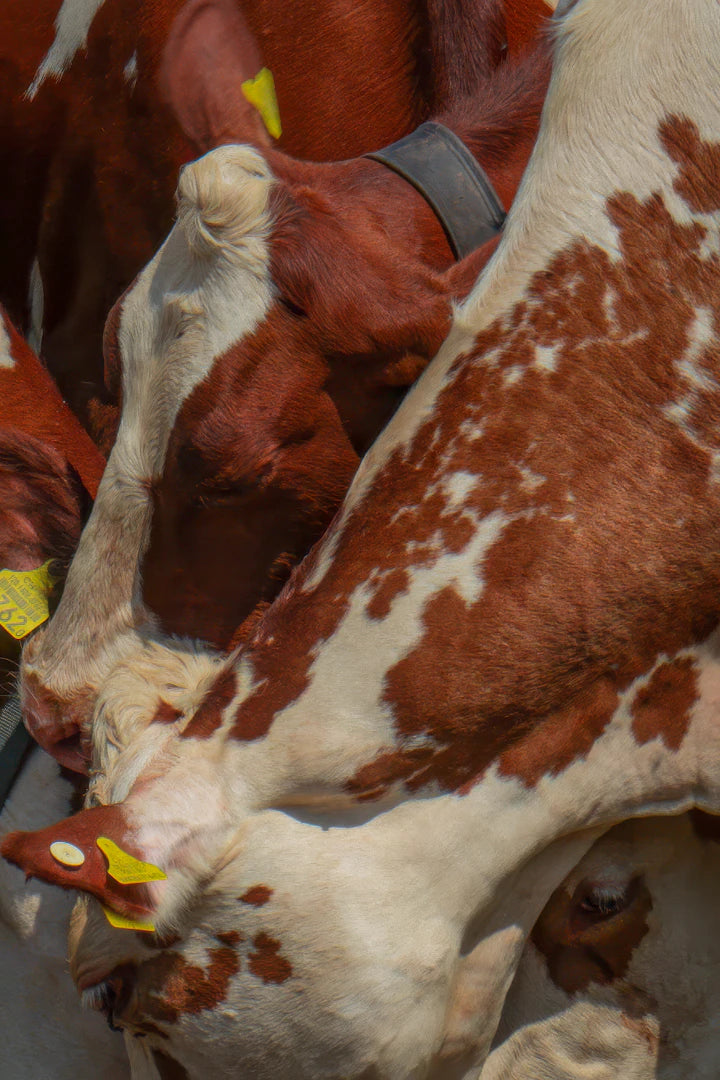
RFID technology has revolutionised livestock monitoring, enhancing animal welfare and research outcomes. A case study in a large livestock operation demonstrated the efficacy of RFID in tracking and managing animal health.
Overview of the Livestock Operation
The livestock operation involved thousands of cattle, requiring efficient and accurate methods for monitoring health, behaviour, and breeding cycles. Traditional methods were often time-consuming and prone to human error, leading to challenges in maintaining optimal herd management.
Specific RFID Applications Used
The operation implemented a comprehensive RFID system that included:
- RFID Ear Tags: Each animal was fitted with an RFID ear tag, allowing for unique identification and tracking.
- Handheld RFID Readers: Staff used a handheld RFID reader to scan tags quickly during routine checks, enabling immediate access to vital health data.
- Temperature Monitoring: Integration of temperature chips allowed for real-time monitoring of animal health, alerting staff to potential issues before they escalated.
Impact on Animal Welfare and Research Outcomes
The implementation of RFID technology led to significant improvements:
- Enhanced Health Monitoring: Real-time data access facilitated early detection of illnesses, improving overall herd health.
- Increased Efficiency: The time required for health checks and data entry was drastically reduced, allowing staff to focus on animal care.
- Improved Breeding Management: Accurate tracking of breeding cycles led to better reproductive outcomes, optimising herd productivity.
Overall, the RFID system not only enhanced operational efficiency but also significantly improved animal welfare standards within the operation.
Benefits of Using Handheld RFID Readers
Handheld RFID readers play a crucial role in animal research, offering numerous advantages that streamline data collection and enhance operational efficiency.
Portability and Ease of Use
One of the standout features of handheld RFID readers is their portability. These devices are lightweight and ergonomically designed, making them easy for researchers to carry during fieldwork. The intuitive interface allows users to operate the device with minimal training, ensuring that staff can quickly become proficient in its use.
Data Storage Capabilities
Handheld RFID readers, such as the ID75610T model, boast impressive data storage capabilities. With the ability to store up to 30,000 records, these devices are ideal for high-volume environments. This capability eliminates the need for manual record-keeping, reducing the risk of data loss and human error.
Real-Time Data Access and Analysis
Real-time data access is another significant advantage of handheld RFID readers. Upon scanning an RFID tag, the device displays essential information such as the tag ID, type, and any additional data like temperature readings. This immediate feedback allows researchers to make informed decisions quickly, improving response times to any identified issues.
Comparison of Handheld RFID Readers Based on Features
When considering handheld RFID readers for animal research, it’s essential to compare their features:
| Feature | ID75610T | Competitor Model A | Competitor Model B |
|---|---|---|---|
| Data Storage | 30,000 records | 10,000 records | 20,000 records |
| Reading Distance | Up to 28 cm | Up to 20 cm | Up to 25 cm |
| Bluetooth Connectivity | Yes | No | Yes |
| Temperature Monitoring | Yes | No | Yes |
This comparison highlights the ID75610T's advantages, particularly its superior data storage and reading distance, making it a preferred choice for researchers focused on animal identification and health monitoring.
Unlocking the Potential of RFID Technology
As RFID technology continues to evolve, the integration of handheld RFID readers into animal research processes will likely become even more critical. By leveraging these advanced tools, researchers can enhance their data collection methods, improve animal welfare, and drive more effective research outcomes.
Challenges and Considerations in RFID Implementation
Implementing RFID technology in animal research can significantly enhance identification processes; however, several challenges must be navigated to ensure successful adoption. Understanding these challenges can help researchers make informed decisions and prepare adequately for the transition.
Cost Considerations
The initial investment in RFID technology can be substantial. Costs include not only the purchase of handheld RFID readers and tags but also the infrastructure needed for data management and retrieval. Furthermore, ongoing expenses related to software updates and maintenance should be anticipated. Researchers must evaluate their budget and consider the long-term benefits against the upfront costs. To assist in this decision, a cost-benefit analysis can be conducted, taking into account:
- Initial setup costs (hardware, software, and training)
- Operational costs (maintenance and updates)
- Time savings and efficiency gains from using RFID
- Potential for increased accuracy in animal tracking
Training Requirements for Staff
Successful implementation of RFID systems requires that staff members are adequately trained to use the technology. This training should cover not only how to operate the handheld RFID reader but also best practices for data management and troubleshooting common issues. A training program may include:
- Hands-on sessions with the RFID equipment
- Workshops on data interpretation and analysis
- Guidance on compliance with relevant regulations
By investing in comprehensive training, institutions can reduce errors and improve the overall effectiveness of RFID systems in animal research.
Technical Issues and Troubleshooting
Like any technology, RFID systems can encounter technical issues. These may include problems with tag readability, data storage capacity, or connectivity. For example, if a handheld RFID reader fails to read a tag, it could lead to data loss or misidentification of animals. To mitigate such challenges, researchers should establish a troubleshooting protocol that addresses:
- Common issues with tag compatibility
- Steps to rectify connectivity problems
- Guidelines for ensuring proper maintenance of equipment
Moreover, having a dedicated technical support team can expedite resolution times and maintain the integrity of the research process.
Future Trends in RFID for Animal Research
The field of RFID technology is rapidly evolving, and its applications in animal research are expanding. By staying informed about emerging trends, researchers can strategically plan for future enhancements in their identification systems.
Innovations in RFID Technology
Recent advancements in RFID technology promise to improve the efficiency and accuracy of animal identification. Innovations include:
- Enhanced tag designs that increase reading range and decrease interference
- Integration of sensors that monitor additional parameters, such as temperature and activity levels
- Development of smart tags that can store more data and communicate with multiple devices
These innovations can provide richer data sets and enable more comprehensive animal health monitoring, ultimately benefiting research outcomes.
Potential for Integration with Other Technologies
The future of RFID in animal research also lies in its potential integration with other technologies. For instance, combining RFID with Internet of Things (IoT) capabilities can allow for real-time data monitoring and analysis. This integration can facilitate:
- Automated data collection and reporting
- Remote monitoring of animal health and well-being
- Enhanced data sharing across research teams and institutions
Such synergies can lead to improved collaboration and more robust research findings.
Predicted Impact on Animal Research Methodologies
As RFID technology continues to evolve, it is expected to significantly impact animal research methodologies. Researchers can anticipate:
- Increased precision in tracking animal movements and interactions
- More efficient data management systems that reduce human error
- Enhanced capabilities for longitudinal studies through continuous data collection
To select future RFID technologies effectively, researchers should consider a set of criteria, including:
- Scalability of the technology for future needs
- Compatibility with existing systems and infrastructure
- Vendor support and community engagement for ongoing learning
By keeping these considerations in mind, researchers can position themselves to leverage RFID technology's full potential in advancing animal research.
Frequently Asked Questions
1. What is RFID technology and how is it used in animal research?
2. What were the challenges faced by researchers before implementing RFID technology?
3. What are the benefits of using handheld RFID readers in animal research?
4. What considerations should researchers keep in mind when implementing RFID technology?
5. What future trends are expected in RFID technology for animal research?
Glossary
| Term | Meaning |
|---|---|
| RFID | Radio Frequency Identification, a technology for automatic identification and tracking. |
| Tag | A small device attached to an animal containing a unique identifier. |
| Handheld RFID Reader | A portable device used to scan RFID tags for data collection. |
| Microchip | A small electronic chip implanted in animals for identification. |
| Data Integrity | The accuracy and consistency of data collected during research. |
| Animal Welfare | The well-being of animals, ensuring they are treated humanely in research. |
| Real-Time Tracking | Monitoring animals instantly as data is collected through RFID. |
| Temperature Monitoring | Using sensors to track an animal's temperature for health assessments. |
| Pilot Testing | A preliminary test to evaluate the effectiveness of a new system. |
| Cost-Benefit Analysis | A financial assessment weighing the costs against the benefits of RFID implementation. |
Linked Product

Animal Handheld RFID and Temperature Reader for Animal Identification
The ID75610T Handheld RFID and Temperature Reader is designed for efficient animal identification and temperature monitoring, making it suitable for veterinary practices, livestock operations, and animal welfare organizations. With the ability to store up to 30,000 records and a fast reading time of under one second, it is ideal for high-volume environments. The device also features Bluetooth connectivity, allowing for easy data transfer and real-time communication with mobile devices and PCs.
View Product