
RFID Syringes for Animal Identification in Research
Discover how RFID syringes enhance animal identification and data management in research, improving tracking and integrity of scientific outcomes.
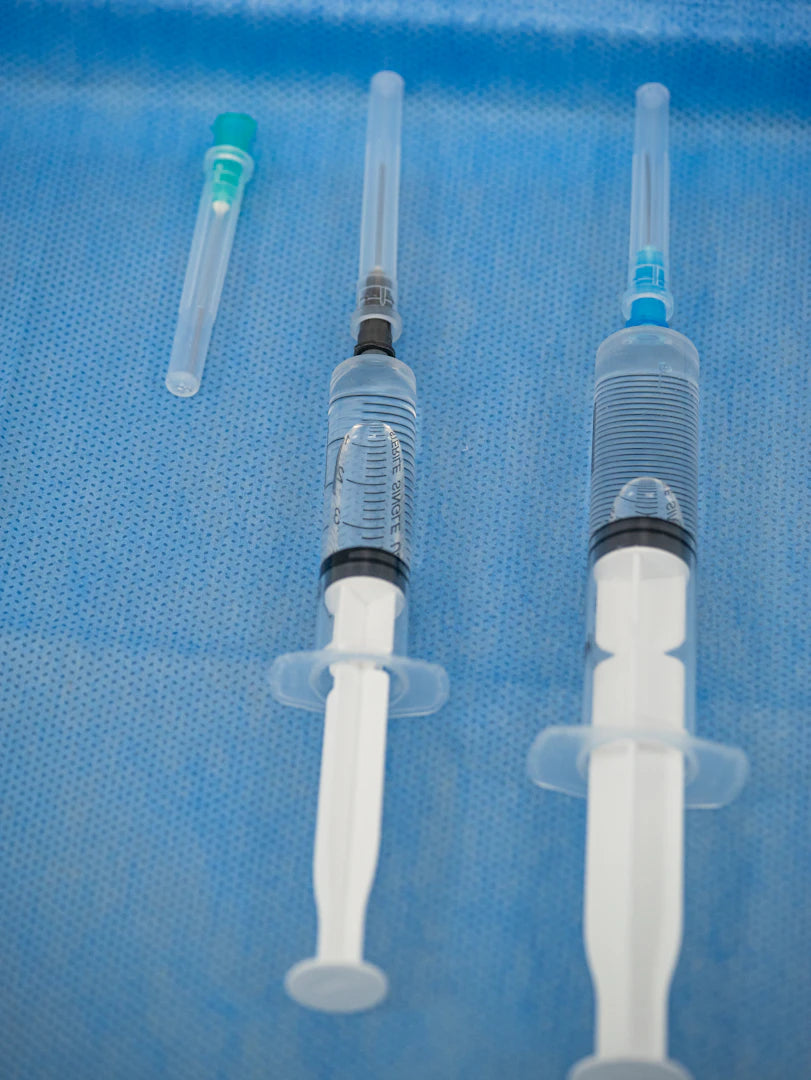
Overview
This article explores the transformative impact of RFID technology on laboratory animal identification and monitoring, highlighting its role in enhancing research integrity. Readers will learn about the advantages of using RFID syringes, including improved accuracy and reduced human error, as well as how to select and integrate these tools into research protocols for better animal welfare and data management.
Table of Contents
- Understanding RFID Technology in Animal Research
- Advantages of RFID Syringes for Animal Identification
- Types of RFID Syringes Available
- Sterile Tray of 25 Disposable Syringes with Transponder
- Disposable Syringe with Transponder
- Sterile Tray of 25 Disposable RFID Tags Syringes with Temperature Sensor
- Disposable Syringe with Temperature Sensor Transponder
- Selecting the Right RFID Syringe for Your Needs
- Integrating RFID Syringes into Your Research Protocol
- Steps to Incorporate RFID Syringes
- Case Studies: Successful Use of RFID in Animal Research
- Examples of Successful Implementations
- Future Trends in RFID Technology for Animal Research
- Potential Future Developments
Key Takeaways
- RFID technology enhances laboratory animal identification by embedding transponders in syringes for precise tracking and data management.
- Key components of RFID systems include a tag, reader, and database, facilitating seamless data collection in research settings.
- RFID syringes reduce human error by automating data entry, ensuring greater accuracy in research data.
- Health monitoring is improved with RFID technology, allowing for timely veterinary interventions and compliance with welfare standards.
- Different types of RFID syringes are available, catering to various research needs, including options with temperature sensors.
- Choosing the right RFID syringe involves considering animal type, research goals, and compliance with international standards.
- Successful case studies demonstrate the effectiveness of RFID syringes in enhancing traceability and data management in animal research.
Comparison at a Glance
| Option | Best for | Strengths | Trade-offs |
|---|---|---|---|
| Sterile Tray of 25 Disposable Syringes with Transponder | General animal identification | Hygienic and efficient implantation process, pre-loaded syringes | Higher initial cost for bulk purchase |
| Disposable Syringe with Transponder | Single-use identification | Ease of use, ergonomic design, sharp bevel needle | Limited to one-time use |
| Sterile Tray of 25 Disposable RFID Tags Syringes with Temperature Sensor | Advanced health monitoring | Combines identification and temperature tracking, suitable for welfare monitoring | May be more complex to implement |
| Disposable Syringe with Temperature Sensor Transponder | Individual health monitoring | Real-time health data, anti-drop system for microchip safety | Available in smaller quantities, may require additional training |
RFID technology, or Radio-Frequency Identification, is transforming the landscape of laboratory animal identification and monitoring in research settings. By utilizing small transponders embedded within syringes, researchers can ensure precise tracking and management of animal data, significantly enhancing the integrity of research outcomes. This article delves into the importance of RFID technology in animal research and highlights the benefits of using RFID syringes for effective animal identification.
Understanding RFID Technology in Animal Research
RFID technology consists of three essential components: a tag (or transponder), a reader, and a database. The tag, typically embedded in a syringe, contains a unique identification number that can be read by the RFID reader. This system facilitates seamless data collection and management, which is critical in laboratory settings where accurate animal identification is paramount.
In research environments, precise identification is crucial for tracking individual animals, managing their health records, and ensuring compliance with ethical standards. RFID technology significantly improves traceability, providing researchers with real-time data on each animal's location and health status. This capability enhances operational efficiency and contributes to better animal welfare by facilitating timely veterinary interventions when needed.
Advantages of RFID Syringes for Animal Identification
RFID syringes offer numerous advantages over traditional identification methods, making them a preferred choice for laboratory animal researchers. Key benefits include:
- Enhanced Accuracy: RFID syringes ensure that each animal is uniquely identified with minimal risk of error, as the data is automatically recorded upon scanning.
- Reduction in Human Error: Automating data entry diminishes the likelihood of mistakes that can occur with manual logging, thus safeguarding the integrity of research data.
- Improved Health Tracking: RFID technology allows researchers to easily monitor the health status of each animal, facilitating proactive care and ensuring compliance with welfare standards.
For example, the Sterile Tray of 25 Disposable Syringes with Transponder is designed for the safe implantation of identification microchips. Each syringe is pre-loaded and ready to use, ensuring a hygienic solution for professional animal identification. These syringes comply with international standards, enhancing their reliability in research applications.

Additionally, the Disposable Syringe with Transponder features an anti-drop system that ensures the microchip remains securely in the needle until implantation, further enhancing safety and reliability during the process.
Types of RFID Syringes Available
RFID syringes play a crucial role in enhancing animal identification in laboratory settings. Several types are available, each tailored to meet specific research needs. Below are key options on the market:
Sterile Tray of 25 Disposable Syringes with Transponder
The Sterile Tray of 25 Disposable Syringes with Transponder is designed for the safe and efficient implantation of identification microchips. Each syringe is pre-loaded, ensuring a hygienic and straightforward process for animal identification, particularly in veterinary and research environments. These syringes are made from durable plastic and feature a high-quality steel needle, ensuring precision during implantation.
This product complies with international animal identification standards (ISO 11784 / ISO 11785), making it suitable for use worldwide.
Disposable Syringe with Transponder
The Disposable Syringe with Transponder is another option. This single-use syringe features a pre-loaded microchip, ensuring ease of use and reliability. With ergonomic finger grips and a sharper bevel needle, it allows for smooth and precise application, reducing the risk of complications during implantation.
This syringe is sterilised using EO gas and comes with eight one-dimensional barcodes for easy tracking. Its ICAR approval and compliance with ISO standards ensure that it meets the rigorous demands of research animal traceability systems.
Sterile Tray of 25 Disposable RFID Tags Syringes with Temperature Sensor
The Sterile Tray of 25 Disposable RFID Tags Syringes with Temperature Sensor is designed for advanced monitoring needs. Each syringe contains a microchip that combines identification capabilities with a temperature sensor, facilitating comprehensive health monitoring of pets and livestock.

These syringes are also compliant with ISO standards, making them suitable for various applications in animal health monitoring.
Disposable Syringe with Temperature Sensor Transponder
Lastly, the Disposable Syringe with Temperature Sensor Transponder offers similar dual functionality as the previous syringe but is supplied in bags of 20. This syringe also features an anti-drop system ensuring that the microchip remains securely inside the needle until implantation, thus enhancing user confidence in its performance.
Selecting the Right RFID Syringe for Your Needs
Choosing the appropriate RFID syringe for your research requires careful consideration of several factors. Here are key elements to guide your decision:
- Animal Type: Different species may require different syringe sizes or specifications.
- Research Goals: Determine if you need basic identification or additional features like temperature monitoring.
- Compliance Standards: Ensure the product meets ICAR approval and ISO compliance to guarantee reliability and international compatibility.
To aid in your selection, consider this checklist:
- What are the specific identification needs of your research?
- Do you require additional health monitoring features?
- Is the syringe sterilised and easy to handle?
- Does it comply with relevant animal identification standards?
By evaluating these factors, you can choose an RFID syringe that best fits your research requirements and enhances animal welfare through effective identification and monitoring.
Integrating RFID Syringes into Your Research Protocol
Integrating RFID syringes into existing research protocols requires careful planning and execution. The following steps will help ensure a smooth implementation process, maximizing the benefits of RFID technology in your animal identification practices.
Steps to Incorporate RFID Syringes
- Assess Your Needs: Determine the specific requirements of your research, such as the types of animals involved and the data you need to collect. This will guide your choice of syringe, whether it be the Sterile Tray of 25 Disposable Syringes with Transponder or the Disposable Syringe with Temperature Sensor Transponder.
- Train Your Staff: Provide comprehensive training for all personnel involved in animal handling. This includes instruction on the proper use of the syringes, understanding RFID technology, and data management protocols.
- Implement Data Management Systems: Establish systems to ensure accurate data recording and tracking. Consider integrating an animal microchip reader to facilitate quick access to animal identification data and health records.
- Conduct Pilot Testing: Before full-scale implementation, conduct a pilot test to identify any issues with the syringes or data systems. Use this phase to gather feedback from staff and make necessary adjustments.
- Monitor and Evaluate: After implementation, continuously monitor the effectiveness of RFID syringes in your protocols. Evaluate the accuracy of data collection and animal tracking to ensure compliance with research standards.
By following these steps, you can effectively integrate RFID syringes into your animal research protocols, enhancing efficiency and ensuring better animal welfare.
Case Studies: Successful Use of RFID in Animal Research
Several institutions have successfully implemented RFID syringes in their animal research protocols, demonstrating the technology's benefits in improving traceability and data management.
Examples of Successful Implementations
- University of Veterinary Medicine: This institution adopted the Sterile Tray of 25 Disposable RFID Tags Syringes with temperature sensors for tracking both identification and health metrics of livestock. This dual functionality allowed for better monitoring of animal welfare and improved research outcomes.
- Animal Health Research Centre: By integrating the Disposable Syringe with Temperature Sensor Transponder, this centre enhanced their research animal traceability systems, significantly reducing human error and improving data accuracy.
These case studies highlight the positive impact RFID technology has on animal research, showcasing enhanced data management and improved animal welfare as key benefits. Institutions that have implemented these systems report more efficient tracking of animal health and behaviour, leading to better research outcomes.
Future Trends in RFID Technology for Animal Research
The future of RFID technology in animal research is promising, with several trends emerging that could further enhance animal identification practices.
Potential Future Developments
- Advancements in microchip technology may lead to even smaller and more efficient devices, improving implantation ease and animal comfort.
- Integration with other technologies, such as IoT devices, could provide real-time monitoring of animal health and behaviour, enhancing research capabilities.
- Increased focus on data security and privacy will likely lead to more robust systems that protect sensitive animal health information.
- Expansion of RFID applications beyond identification, potentially including monitoring environmental factors affecting animal welfare.
As RFID technology continues to evolve, it promises to play an increasingly vital role in animal research, offering enhanced capabilities for tracking and managing animal health and welfare.


Frequently Asked Questions
1. What is RFID technology and how is it used in animal research?
2. What are the benefits of using RFID syringes for animal identification?
3. What types of RFID syringes are available?
4. How can researchers select the right RFID syringe for their needs?
5. What are some future trends in RFID technology for animal research?
Glossary
| Term | Meaning |
|---|---|
| RFID | Radio-Frequency Identification technology used for tracking and identification. |
| Transponder | A device that transmits data, typically embedded in syringes for identification. |
| Syringe | A medical tool used to inject or withdraw fluids, here with embedded RFID. |
| Data Management | The process of collecting, storing, and using data effectively. |
| Traceability | The ability to track an animal's history and health records accurately. |
| Compliance Standards | Regulations ensuring products meet safety and efficacy requirements. |
| Health Monitoring | Regular tracking of an animal's health status for welfare purposes. |
| ISO Standards | International standards ensuring quality and safety in products. |
| Pilot Testing | A trial run to evaluate the effectiveness of a new process or product. |
| Animal Welfare | The well-being of animals, ensuring they are treated humanely and ethically. |